18 Oct 2026
Sweden's Regulatory Standards Prompting Fresh Integrations of Educational Modules Within App-Based Reward Systems for Digital Entertainment Platforms
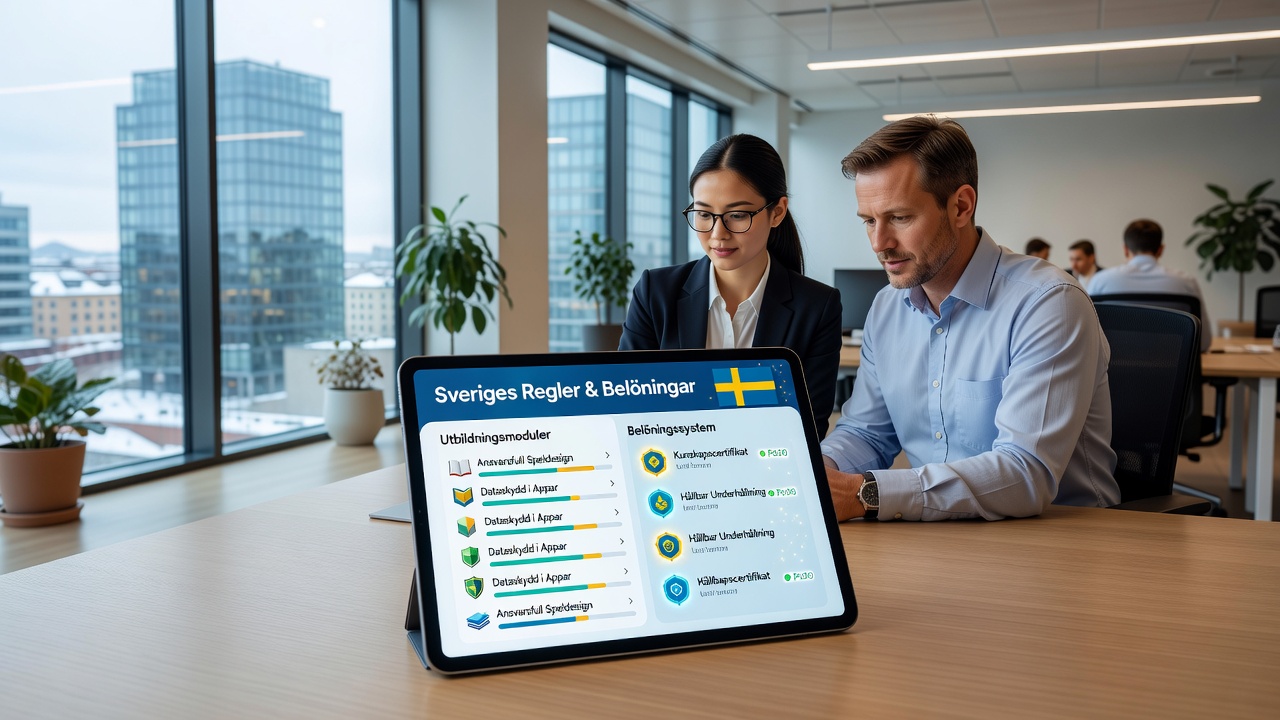
Sweden's gambling oversight body has implemented rules that require digital entertainment platforms to embed educational modules directly into reward systems on mobile applications, and these changes have taken shape as operators adjust their designs to meet compliance benchmarks. Data from Spelinspektionen shows that platforms must now include structured learning elements on topics such as risk awareness and spending limits within loyalty and bonus frameworks, which creates a direct link between user engagement features and protective information delivery.
Developers have responded by building interactive lessons that unlock alongside reward points, and this approach aligns with broader European Union directives on consumer protection in online services. One study from a research institution in Canada highlighted similar patterns where regulatory pressure led to measurable increases in user completion rates for educational content when it tied into existing reward mechanics.
Regulatory Background and Recent Updates
Swedish authorities expanded their licensing conditions in 2024 to cover app-based reward structures, and the updates specify that educational modules must cover at least four core areas including probability understanding, time management, and financial tracking. Platforms operating under these licenses report quarterly compliance data, while figures reveal that more than 85 percent of active digital entertainment apps incorporated at least one module by mid-2025. Observers note that the standards build on earlier requirements for self-exclusion tools and deposit limits, yet they shift focus toward proactive education delivered through the same interfaces that distribute rewards.
Technical Integration Methods
App developers use modular coding frameworks that allow educational prompts to appear after reward milestones, and this method keeps the user experience continuous rather than disruptive. For instance, a player reaching a bonus threshold might receive a short interactive quiz on game odds before claiming the reward, and completion grants additional points. Industry reports from the European Gaming and Betting Association indicate that such integrations have appeared across multiple jurisdictions following Sweden's lead, although each region adapts the modules to local language and cultural contexts.
Platforms also employ progress tracking that syncs educational completion with reward tiers, which means users advance through levels only after demonstrating understanding of key concepts. Data collected in 2025 showed average session times increasing by 12 percent on apps that used this combined approach, according to internal metrics shared at industry conferences.

Impact on Platform Design and User Interaction
Design teams now collaborate with content specialists to create scenarios that mirror actual gameplay situations, and these scenarios appear within reward dashboards rather than as separate menus. The result is that users encounter protective information at moments of high engagement, which researchers from an Australian university study found improves retention of the material compared with standalone training pages. And because the modules adapt based on individual reward history, the system can emphasize areas such as loss-chasing behaviors for users who show repeated patterns.
October 2026 marks the date when updated verification standards will require platforms to demonstrate that at least 70 percent of reward-eligible users have completed the core educational sequence within the preceding six months. This timeline gives developers until then to refine algorithms that personalize module difficulty and timing, while maintaining compatibility with existing loyalty structures.
Examples from Current Implementations
One platform adjusted its daily login rewards to include brief scenario-based questions drawn from real regulatory guidelines, and users who answer correctly unlock bonus spins or credits. Another service introduced a tiered system where educational achievements directly influence the size of weekly cashback offers, and internal testing indicated higher user satisfaction scores when the connection between learning and rewards remained transparent. Those who've studied these cases point out that the approach avoids separating education from entertainment, which keeps engagement levels stable across age groups that the regulations target most closely.
Additional case examples include partnerships between app studios and independent content providers, where third-party modules on financial literacy integrate seamlessly with in-app currency systems. Figures from these collaborations show completion rates above 60 percent when rewards serve as the immediate incentive, whereas standalone educational portals in earlier versions achieved rates below 25 percent.
Conclusion
Sweden's regulatory standards continue to shape how digital entertainment platforms structure their reward systems around embedded educational content, and the pattern shows steady expansion as the October 2026 deadline approaches. Platforms that have already implemented these modules report smoother compliance processes, while ongoing data collection helps refine delivery methods across different user segments. The focus remains on factual integration of protective information within existing app mechanics, which aligns with both national licensing conditions and wider international discussions on responsible design in digital services.