4 Oct 2026
Sweden's licensing framework sparks fresh approaches to themed progressive jackpot networks across emerging app-based platforms

Sweden's licensing system, administered through Spelinspektionen, continues to shape how operators develop themed progressive jackpot networks on app-based platforms, and observers note that this regulatory environment encourages innovation while enforcing strict compliance standards. Data from industry reports shows that licensed entities must integrate player protection measures directly into jackpot structures, which in turn influences the design of interconnected prize pools across mobile applications.
Regulatory foundations driving network development
Under the Swedish Gambling Act, operators receive licenses only after demonstrating robust systems for fair play and responsible gaming, which has led developers to create themed jackpot networks that link multiple games through shared prize pools. These networks often feature narrative themes drawn from mythology or adventure genres, adn researchers have documented how such connections allow for larger progressive accumulations while remaining within licensing parameters. Figures from the European Gaming and Betting Association reveal steady growth in app-based deployments since the framework's full implementation, with many platforms incorporating real-time updates to jackpot meters that comply with transparency requirements.
Those who've examined the licensing conditions point out that each new app release must undergo testing for random number generation and payout verification before launch, and this process has prompted companies to explore fresh approaches to themed networks that distribute winnings across devices without compromising security protocols. In October 2026, several emerging platforms are scheduled to introduce updates aligning with revised guidelines on cross-border data handling, which affects how jackpot contributions flow between international player bases.
Integration of themes with progressive mechanics
Themed progressive jackpots under Swedish oversight typically connect slots or table games through a central server, and experts observe that themes serve not only as marketing tools but also as mechanisms to segment player engagement. For instance, one network might tie Egyptian motifs to a shared jackpot that escalates based on bets placed across multiple apps, while another uses space exploration themes to link bonus rounds in real time. According to studies from the University of Nevada's gaming research division, these configurations maintain compliance by capping contribution rates and displaying clear odds, which helps operators avoid penalties during audits.
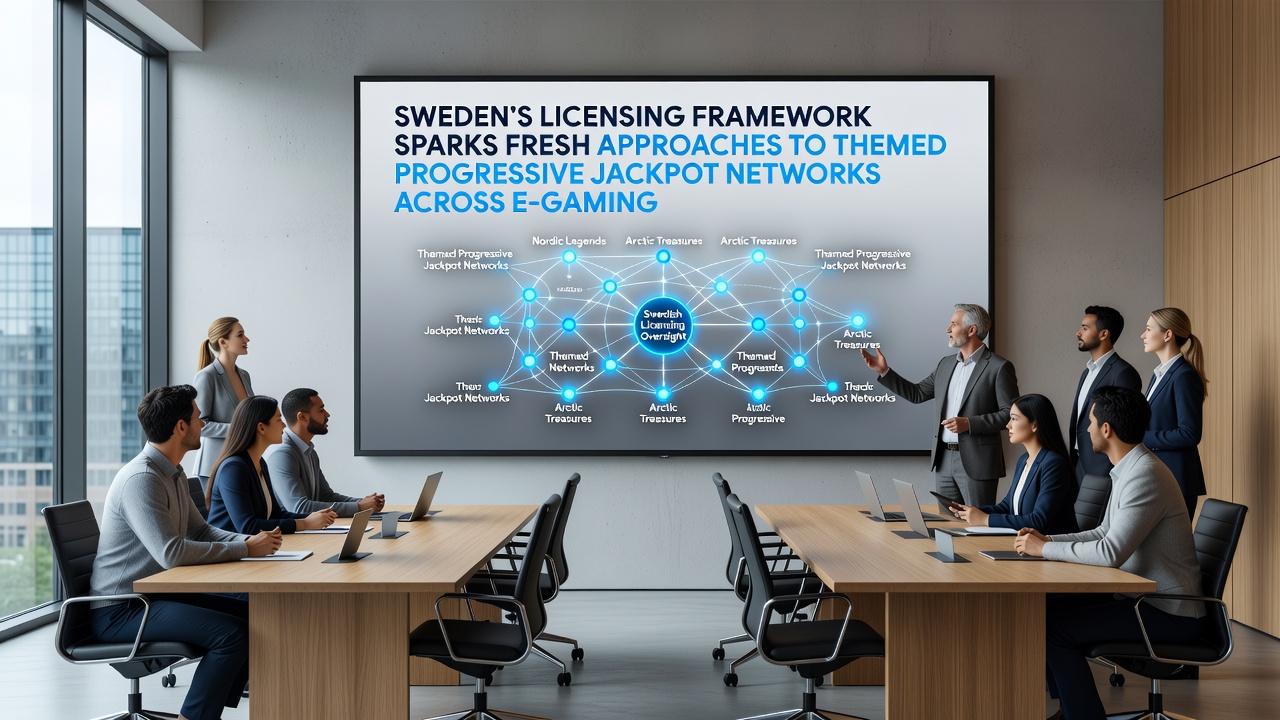
App developers working within the licensed market often collaborate with software providers to embed tracking tools that monitor jackpot activity, and this integration ensures that progressive elements reset or carry over in accordance with predefined rules. What's interesting here is how the licensing framework pushes for diversity in themes, since operators must differentiate their offerings to attract users while adhering to advertising restrictions that prohibit misleading claims about winning probabilities.
Emerging platforms and technological adaptations
New app-based platforms entering the Swedish market leverage cloud-based architectures to manage themed jackpot networks, and data indicates that these systems handle high volumes of micro-transactions from mobile users without latency issues. Canadian regulatory analyses, shared through the Canadian Gaming Association, highlight similar patterns where strict licensing encourages the adoption of blockchain elements for verifiable jackpot trails, although Swedish rules focus more on centralized oversight. Operators report that themes evolve based on player feedback loops collected through in-app analytics, yet all modifications require pre-approval to maintain license validity.
Since the framework emphasizes harm minimization, many networks now include optional contribution toggles that allow users to opt out of progressive elements, and this feature appears in several 2026 app launches targeting Swedish audiences. Industry organizations note that such adaptations help sustain long-term participation by aligning jackpot mechanics with broader responsible gaming standards.
Future trajectories for licensed networks
Looking ahead, Sweden's approach continues to influence how themed progressive systems scale across borders, with partnerships forming between local licensees and international tech firms to refine app functionalities. Evidence from joint reports by the World Lottery Association and European research bodies suggests that these networks will incorporate more interactive elements, such as community-driven theme expansions, while staying tethered to core licensing mandates around fairness and transparency.
Observers note that ongoing refinements in October 2026 could introduce standardized APIs for jackpot interoperability, which would streamline connections between disparate apps without diluting regulatory controls. This development builds on existing patterns where compliance drives creative solutions rather than limiting them.
Conclusion
Sweden's licensing framework has established a foundation where themed progressive jackpot networks flourish within app-based environments through structured innovation and mandatory safeguards. The interplay between regulatory demands and technological capabilities produces interconnected systems that deliver engaging experiences while prioritizing verifiable operations, and continued evolution in this space will likely reflect further alignment between market demands and oversight priorities.