20 Sep 2026
How Payment Provider Choices Reflect Responsible Gaming Priorities in Sweden's Newest Casino Launches
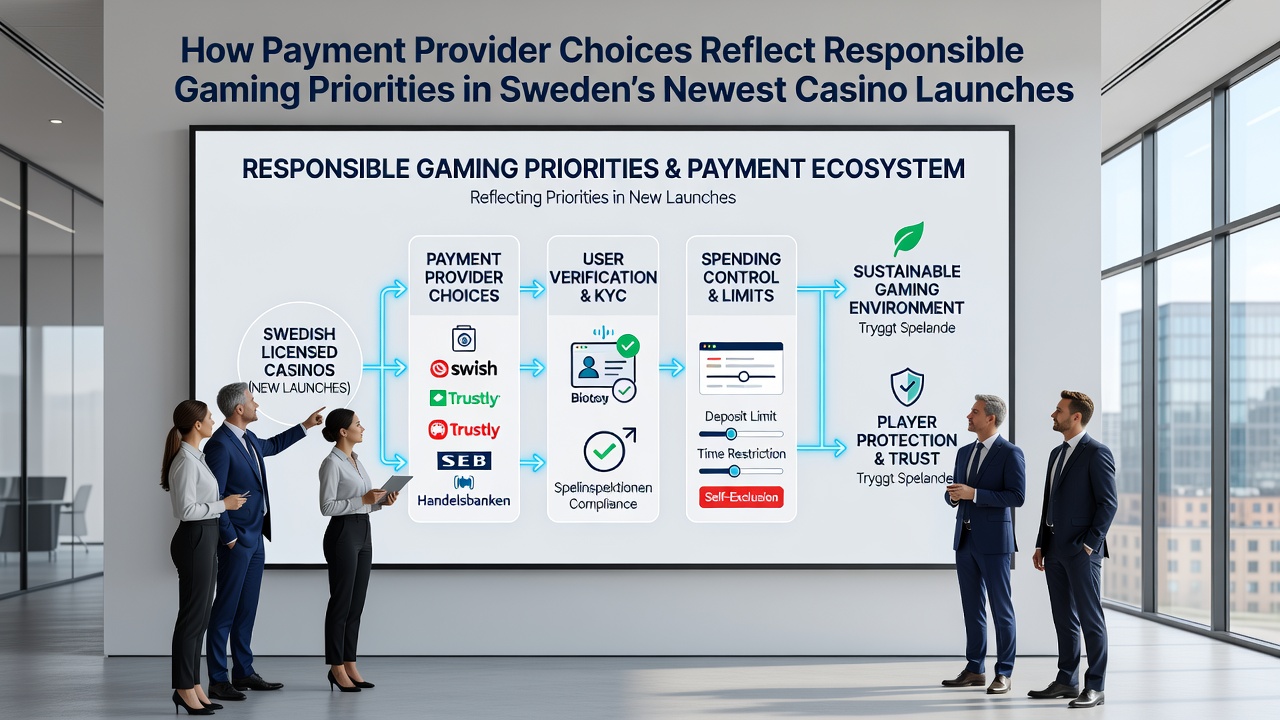
Sweden's regulated online gambling market continues to expand with new casino platforms that integrate payment systems designed around player protection requirements, and these choices often align directly with licensing conditions set by the national authority. Operators launching fresh sites must demonstrate how their selected providers support features such as real-time transaction monitoring, deposit caps, and seamless connections to national self-exclusion registers, all while meeting the standards that took effect after the 2019 market re-regulation.
Payment Integration and Licensing Compliance
New casino entrants in Sweden select payment providers that embed verification processes at the transaction level, which allows operators to enforce age checks and cross-reference against exclusion databases without adding extra steps for users. Data from Spelinspektionen indicates that platforms using instant bank transfer services report higher rates of successful limit implementation compared to those relying on slower methods, since funds move directly between player accounts and operator ledgers in seconds rather than days.
These integrations also facilitate automatic pauses when users approach preset spending thresholds, a mechanism that several upcoming launches scheduled around September 2026 plan to highlight in their compliance documentation. Observers note that providers offering API connections to the national Spelpaus system reduce the administrative burden on operators, while the same connections help maintain continuous oversight throughout a player's session.
Transaction Monitoring Features in Recent Platforms
Recent platform releases have favored providers that supply detailed transaction logs to operators in standardized formats, enabling quicker identification of unusual patterns that might signal risk behaviors. Research from the European Commission on digital gambling environments shows that jurisdictions with strong payment traceability requirements, including Sweden, achieve more consistent application of harm reduction tools across licensed sites.
One example appears in launches that pair their core banking rails with secondary wallets equipped for time-based restrictions, allowing players to set session durations alongside financial limits through the same interface. Figures from industry reports reveal that such combined systems see adoption rates above 60 percent among active accounts within the first three months of operation on comparable European markets.
Role of Instant Banking in Responsible Play Tools
Instant banking options dominate selections for new Swedish casinos because they support immediate fund reversals when exclusion flags activate, preventing any lag between a player's self-exclusion request and the halt of further activity. Canadian provincial data on similar systems, published through regulatory summaries from the Alcohol and Gaming Commission of Ontario, demonstrates parallel outcomes where real-time processing correlates with fewer instances of post-exclusion transactions.
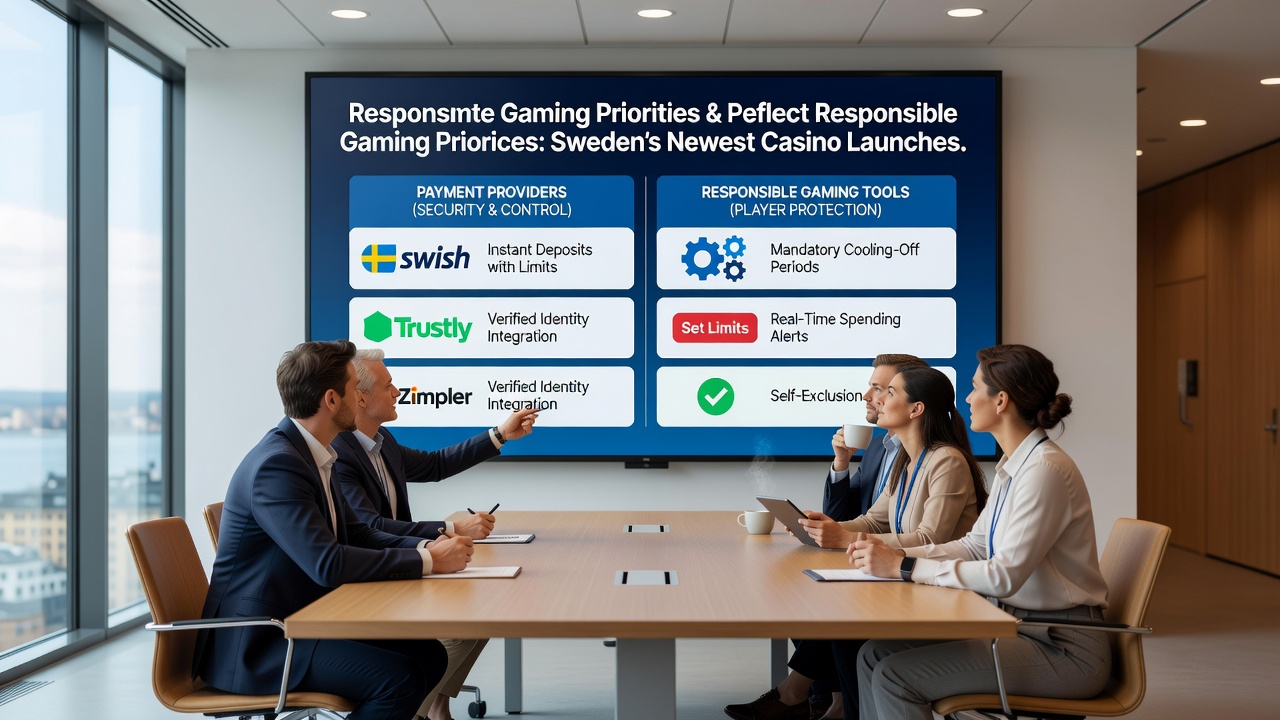
Providers that maintain direct ties to Swedish banks further allow operators to display current balance information alongside spending summaries, giving users a consolidated view without requiring separate logins. This approach appears in documentation for platforms preparing market entry in late 2026, where the emphasis rests on reducing friction between protection features and everyday transactions.
Emerging Patterns Across 2026 Platform Developments
Platforms slated for introduction near September 2026 incorporate payment partners that already comply with upcoming technical standards for data sharing between financial institutions and gambling operators. Such partnerships reduce the need for custom development work and ensure that responsible gaming alerts reach users through familiar banking apps rather than casino-specific portals alone.
Studies conducted by academic groups tracking Nordic gambling habits indicate that seamless payment flows encourage higher uptake of voluntary limit tools, because the process feels integrated into routine banking rather than an added layer of casino software. Providers chosen for these launches typically publish their own compliance certifications, which operators then reference during license applications to demonstrate alignment with national priorities.
Conclusion
Payment provider selections in Sweden's newest casino launches therefore serve as direct extensions of the responsible gaming framework embedded in national licensing, with choices centered on speed, traceability, and compatibility with exclusion mechanisms. As additional platforms prepare entries around September 2026, the pattern suggests continued reliance on providers that deliver these capabilities without introducing delays or separate verification hurdles for players.